Bush flying is one of the most skill-intensive and respected areas of aviation. While many people imagine dramatic flights into remote wilderness, the reality of bush flying is built on discipline, planning, and highly developed flying skills.
In aviation terms, bush flying refers to operating aircraft in remote or undeveloped environments where standard airport infrastructure is minimal or nonexistent. Instead of paved runways, pilots may land on grass strips, gravel bars, remote stations, beaches, or improvised landing areas.
For many pilots, bush flying represents the purest form of aviation. Without the support systems of major airports, the pilot becomes responsible for interpreting terrain, wind conditions, runway surfaces, and aircraft performance.
Unlike airline operations, where systems and procedures create layers of protection, bush flying relies heavily on the pilot’s personal skill and judgement.
Bush flying is the operation of aircraft in remote or undeveloped locations where traditional airport infrastructure is limited or absent.
Bush pilots often land on grass strips, gravel bars, beaches, or private airstrips and must rely on strong aircraft handling skills and environmental awareness to operate safely.
A bush pilot is a pilot trained and experienced in flying aircraft in remote areas where runways are short, surfaces may be rough, and support infrastructure is limited.
Bush pilots commonly operate in regions such as:
However, what truly defines a bush pilot is not the location but the skills and mindset required to safely operate in challenging environments.
Key Responsibilities of a Bush Pilot
Bush pilots typically perform tasks such as:
These responsibilities require a combination of technical skill and careful judgement.
Bush flying differs from conventional flying because the margin for error is smaller and the pilot must operate without many of the safety systems found at major airports.
Major Differences Include
Because of these factors, bush pilots must constantly evaluate whether an approach remains safe.
Often the safest decision is simply not to land.
Bush flying requires specialised skills beyond standard pilot training.
Below are the most important bush pilot skills.
Bush flying requires extremely accurate aircraft control.
Pilots must be able to:
Small control errors that would be harmless on long paved runways can become dangerous in bush environments.
Energy management refers to controlling the aircraft’s speed, altitude, and power to arrive at the runway in a stable condition.
Bush pilots learn to avoid excessive speed on approach because:
A stable approach is essential for safe bush landings.
Terrain strongly affects wind patterns.
Bush pilots must understand how terrain features influence airflow.
Important terrain factors include:
Wind flowing over terrain can create mechanical turbulence and sudden airspeed changes near the ground.
Bush flying frequently involves operating on short or soft runways.
Pilots must learn techniques such as:
These techniques allow aircraft to operate safely in limited spaces.
One of the most important bush flying skills is judgement.
Experienced bush pilots often choose to:
Bush flying rewards caution and patience.
Many bush aircraft use tailwheel landing gear, where the small wheel is located at the rear of the aircraft.
Advantages of Tailwheel Aircraft
These characteristics make tailwheel aircraft particularly suited to bush flying operations.
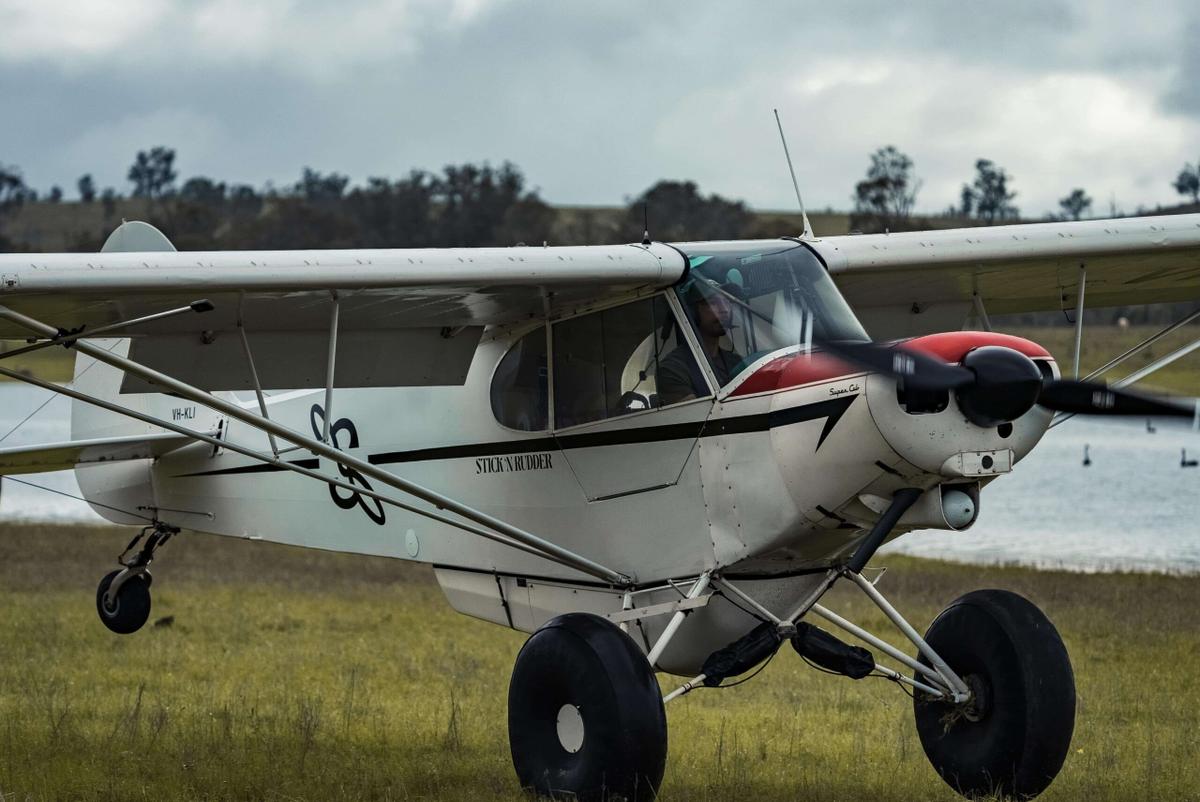
Bush aircraft are designed for durability, controllability, and strong low-speed performance.
Typical bush aircraft characteristics include:
Examples of aircraft commonly used for bush flying include:
These aircraft are capable of operating safely from short and rough landing areas.
Technical skill alone does not make a successful bush pilot.
The most important factor is often the pilot’s mindset.
Successful bush pilots demonstrate:
Bush flying rewards pilots who prioritise safety over ego.
Bush flying skills are normally developed gradually.
Typical training progression includes:
Step 1: Building Strong Flying Fundamentals
Pilots must first develop strong aircraft handling skills during basic flight training.
Step 2: Tailwheel Training
Tailwheel aircraft improve pilot coordination and aircraft control.
This type of training develops:
Step 3: Advanced Bush Flying Training
Specialised bush flying training introduces:
Professional instructor guidance is critical during this stage. For pilots looking to progress, structured programs like tailwheel and bush flying training provide the hands-on experience needed to safely operate in challenging environments.
Bush pilots need a combination of advanced aircraft handling skills, environmental awareness, and conservative decision-making. Key skills include precision aircraft control, energy management, terrain awareness, short-field landing techniques, and strong risk assessment.
Bush flying attracts pilots for many reasons.
Key Motivations Include
Many pilots find that bush flying improves every aspect of their flying ability.
Bush flying represents one of the most demanding and rewarding forms of aviation.
Operating safely in remote environments requires:
When approached with discipline and training, bush flying becomes a powerful way for pilots to refine their flying abilities and experience aviation at its most fundamental level.
Advance your tailwheel flying with hands-on bush training in a modified Super Cub. Fly into real bush strips, build advanced skills, and learn directly from experienced instructors—all while exploring south-east Queensland.
A challenging, practical experience unlike anything else in Australia.
ENTER “SAVE10” for a 10% DISCOUNT – VALID THIS MONTH ONLY!
Bush flying is the operation of aircraft in remote or undeveloped areas where traditional airport infrastructure such as paved runways and air traffic control may not exist.
A bush pilot operates aircraft in remote environments, often landing on short or unimproved airstrips while managing terrain hazards, wind conditions, and aircraft performance.
There’s no formal bush flying licence, but that doesn’t make it any less serious. Bush flying is a safety-critical form of operation, and it requires the right training and mentorship to do it well. Most pilots build these skills through tailwheel training, short and soft field operations, and learning how to properly assess a landing site before committing to it.
Aircraft commonly used for bush flying include the Piper Super Cub, Cessna 180, Cessna 185, Maule, and Aviat Husky.
Bush flying can be more demanding than standard flying because it involves short runways and remote environments. However, with proper training and disciplined decision-making it can be conducted safely.