
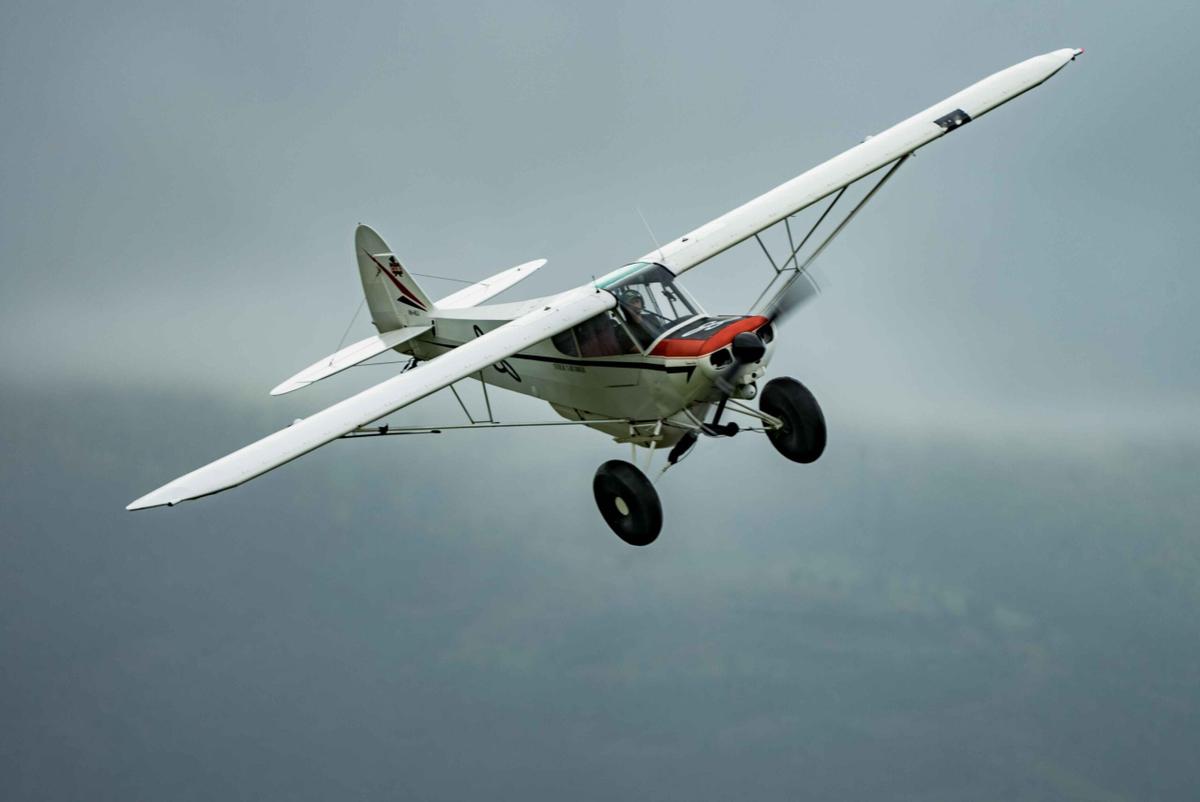
Tailwheel flying has a way of pulling pilots out of routine aviation and into something more deliberate, more engaging, and more personal. For many pilots, tailwheel adventures are not about going further or faster. They are about flying with intent, awareness, and respect for both the aircraft and the environment.
This style of flying changes how pilots plan, how they operate, and how they define a good day in the air.
Instead of focusing purely on destinations, tailwheel flying shifts attention toward the quality of the flight itself the approach, the landing, the conditions, and the decisions that shape every moment.
In aviation terms, tailwheel adventures describe a style of flying rather than a specific activity or experience category. It is not tourism, and it is not about thrill-seeking.
Tailwheel adventures are defined by:
The “adventure” comes from operating thoughtfully in environments that require attention and judgement grass strips, remote airfields, and non-standard landing areas where planning matters more than convenience.
Importantly, this type of flying is not reckless.
Experienced tailwheel pilots prioritise preparation, conservative margins, and decision-making discipline. Turning back, delaying a landing, or choosing not to continue is considered sound judgement, not failure.
This is what separates adventure flying from risk-taking.
Tailwheel aircraft did not become associated with adventure flying by accident. Their design naturally supports operations outside conventional aerodromes.
These aircraft are typically lighter, more responsive, and better suited to short-field operations.
Rather than compensating for poor technique, tailwheel aircraft reward precision and expose mistakes early. This creates a direct link between pilot skill and aircraft performance a key characteristic of adventure flying.
Tailwheel adventures do not replace conventional flying. They change how pilots experience it.
Tailwheel flying often takes place at lower speeds and in environments where visual awareness is essential. Pilots rely more on observation and less on systems.
Tailwheel aircraft require active control throughout the flight, particularly during takeoff, landing, and ground handling.
Pilots must constantly manage:
There is little room for passive flying.
Because tailwheel flying demands accuracy, even simple flights become more rewarding.
A well-planned approach and controlled landing on a grass strip often provides more satisfaction than a routine landing on a long sealed runway.
Most tailwheel adventures are not extreme. They are practical, repeatable, and skill-based.
Flying into grass or lightly prepared strips requires careful planning and surface assessment. Pilots evaluate slope, length, wind conditions, and exit options before committing.
Tailwheel aircraft allow pilots to operate at slower speeds and remain connected to the environment. This creates a more engaged flying experience and reinforces fundamental skills.
Tailwheel adventures often involve operating without the support of large aerodromes.
Pilots must think ahead about:
This builds stronger discipline and planning habits.
Tailwheel adventures are made possible by skill, not enthusiasm.
Key capabilities include:
Short or variable surfaces require accurate speed control, stable approaches, and consistent touchdown points.
Directional control is critical in tailwheel aircraft, particularly during takeoff and landing rollout.
Pilots must continuously assess conditions and make conservative decisions. Knowing when not to land is often more important than knowing how.
Important Insight
Most tailwheel incidents occur during takeoff and landing phases. This is where skill, coordination, and judgement are most critical.
Consistent training and disciplined flying habits are what make this style of flying safe and sustainable.
Pilots interested in exploring this style of flying further can learn more through the Stick ’n Rudder flying philosophy, which focuses on precision, discipline, and real-world pilot skill development.
For many pilots, tailwheel flying represents a shift in priorities.
It moves focus away from convenience and toward:
Flying becomes more intentional.
Rather than simply operating an aircraft, pilots become more connected to the environment, the conditions, and the decisions that define each flight.
This is what makes tailwheel adventures meaningful.
Tailwheel adventures are not about pushing limits or chasing extremes.
They are about expanding capability and rediscovering what flying can be when it is approached with discipline, awareness, and purpose.
For pilots willing to engage with this style of flying, the reward is not just access to new places it is a deeper, more connected experience of aviation itself.
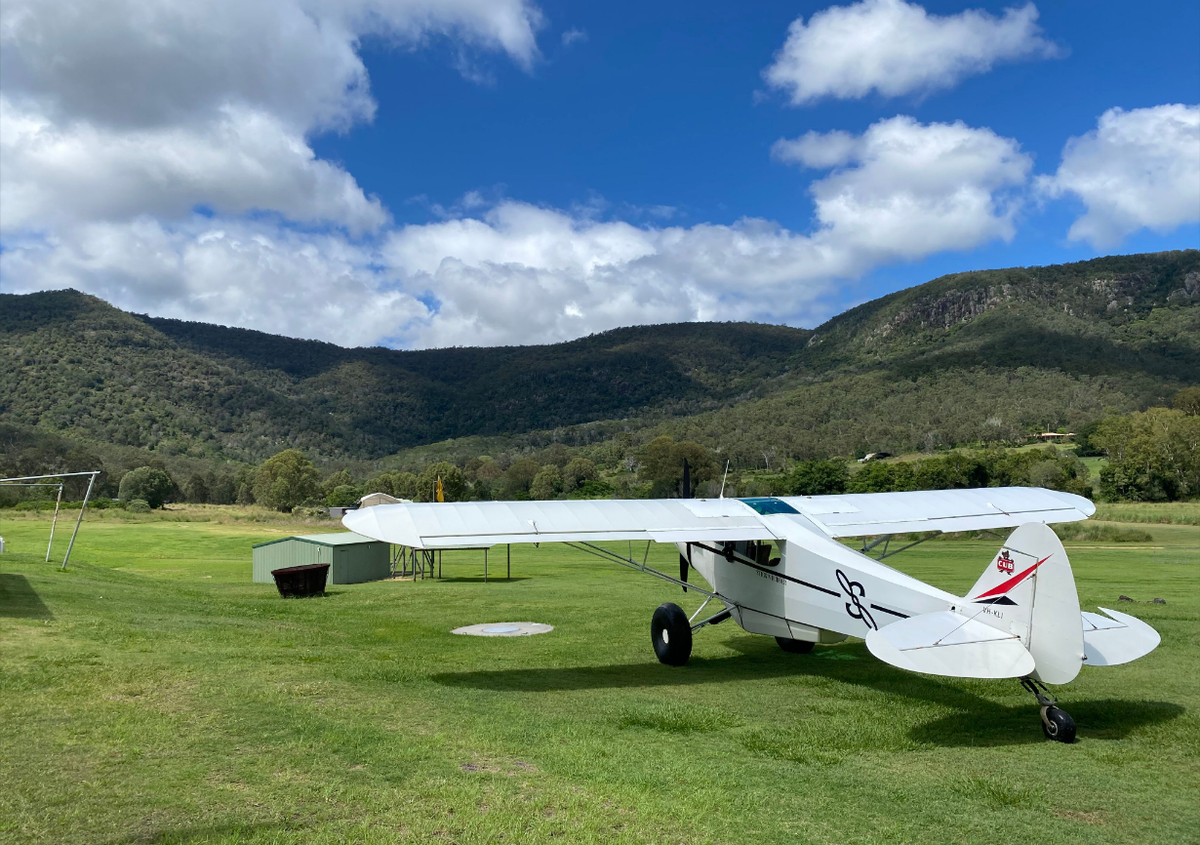
Take your flying skills to the next level with our specialised Tailwheel Flight Training course. Train in the legendary Super Cub and develop precise control, confidence, and real-world handling skills under the guidance of highly experienced instructors.
From your first briefing to your final landing, every lesson is practical, tailored, and designed to sharpen your stick-and-rudder abilities in a supportive, hands-on environment.
A rewarding, skill-focused experience that builds better pilots every time you fly.
ENTER “SAVE10” for a 10% DISCOUNT – VALID THIS MONTH ONLY!
Tailwheel adventures refer to a style of flying where pilots operate tailwheel aircraft in environments such as grass strips, remote airfields, and non-standard landing areas. Rather than focusing on distance or speed, this type of flying emphasises skill, planning, and active pilot involvement in less structured environments.
Tailwheel aircraft are commonly associated with adventure flying because their design allows them to operate safely on rough, short, or unprepared surfaces. Features such as higher propeller clearance, lighter weight, and simpler systems make them well suited for remote operations where conventional aircraft may be limited.
Tailwheel adventure flying is not inherently dangerous when conducted with proper training and conservative decision-making. In fact, experienced tailwheel pilots prioritise planning, risk management, and discipline. The focus is on avoiding unnecessary risk rather than seeking it.
Key skills include precise takeoff and landing technique, strong rudder coordination, short-field operation capability, and sound judgement in changing conditions. These skills are typically developed through structured tailwheel training and experience.
Yes, tailwheel training is essential before attempting this style of flying. Tailwheel aircraft require more precise control than nosewheel aircraft, particularly during ground operations and landing. Proper training ensures pilots can safely operate in varied environments.
Many pilots find tailwheel flying more rewarding because it requires active involvement and precision. It brings pilots closer to the fundamentals of aviation, making each flight more engaging and meaningful compared to more automated or routine flying.