
Choosing the right tailwheel aircraft is like picking your adventure partner. Whether you dream of conquering remote bush strips, flying economically on weekends, hauling serious loads, or stepping into high-performance machines, there’s a taildragger for you. The key is matching the aircraft to your mission, your experience, and the kind of flying that excites you.
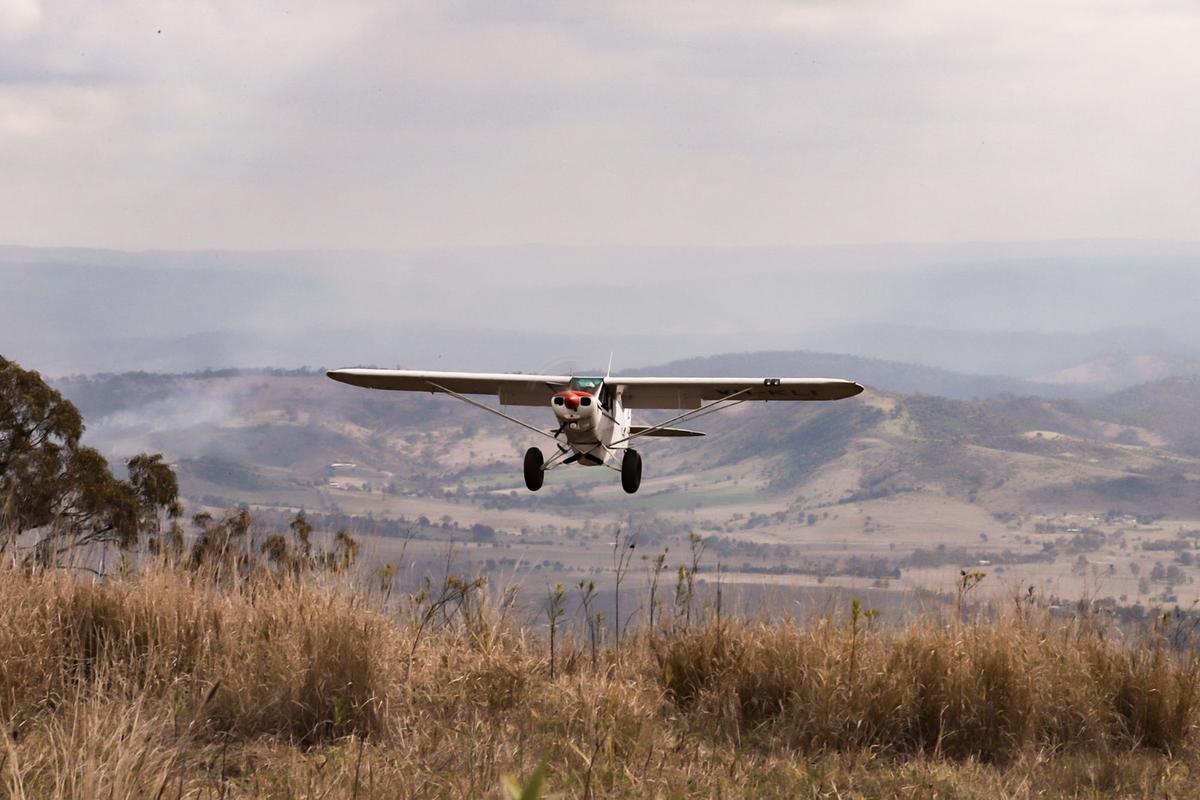
For the ultimate bush pilot, the Piper Super Cub is the gold standard. It sits in a perfect weight category—light enough to operate off rough, unimproved surfaces, yet strong and substantial enough to handle the punishment of true backcountry flying. That balance gives it a surprisingly comfortable ride while still maintaining an incredibly light footprint on landing.
The wing is where the magic really happens. It’s predictable, forgiving, and beautifully behaved across the flight envelope. Combined with well-balanced controls, the Super Cub can be flown confidently by a newer pilot, yet still rewards the most experienced bush operators.
Then there’s the endless list of modifications—bigger tyres, upgraded brakes, extended gear, belly pods, higher gross weights, engine upgrades, prop options, flap systems. You can truly tailor a Super Cub to your exact mission.
It’s no surprise so many aircraft have followed its lead—Carbon Cubs, Javron Cubs, Legend Cubs. When a design gets copied this much, it’s because it works.
If your mission involves covering more distance, aircraft like the American Champion Scout or Aviat Husky are excellent alternatives. They offer greater cruise speed and range, making them better suited to longer touring legs. However, they carry more weight and don’t quite match the Super Cub’s light handling and soft-field finesse.
If your goal is pure backcountry capability—this is still the benchmark.

If you’re looking for an affordable, simple, and capable tailwheel aircraft, the Rans S-7 is incredibly hard to beat.
It features a well-behaved wing and a very light footprint, which means it still performs well in off-airport environments—especially when paired with slightly larger tyres. It’s powered by the ever-reliable Rotax engine, keeping fuel burn low and maintenance straightforward.
The simplicity of the aircraft is one of its greatest strengths. Lower operating costs, easier maintenance, and less complexity make it an ideal ownership platform—particularly for someone entering the tailwheel world.
There’s also room to grow. A number of modifications and tweaks are available, allowing owners to refine the aircraft to suit their mission over time.
The Kitfox sits in a very similar category and offers comparable performance and operating costs. However, in recent years, popularity has driven acquisition prices significantly higher.
Older designs such as the Skyfox, Avid Flyer, and Australian Lightwing can also be considered. While they can offer good value, they come with trade-offs—less refined aerodynamics, more dated handling characteristics, and generally not as polished as the newer designs.
If you want maximum fun per dollar, the Rans S-7 is right in the sweet spot.
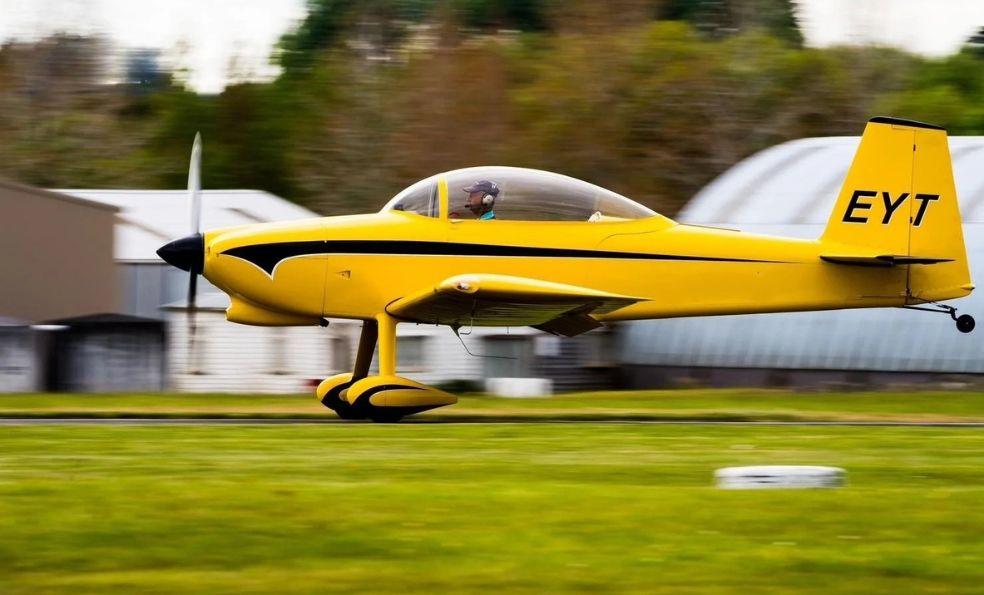
For pilots chasing performance, speed, and efficiency, the Vans RV-8 is a standout.
The RV series is one of the most well-proven kit aircraft lines in the world, and that shows in the quality of builds. The RV-8 delivers excellent cruise speed while still maintaining surprisingly forgiving low-speed handling.
It does require proper transition training—not because it’s difficult to fly, but because things happen faster. The key is learning to stay ahead of the aircraft, particularly in the circuit and during planning.
One of the biggest advantages of the RV-8 is its tandem seating configuration. While some pilots initially lean toward side-by-side, tandem offers real benefits—reduced drag for higher speed, more shoulder room, and a surprisingly connected in-flight experience. With headsets on and great visibility, the passenger experience is far better than many expect.
For those who still prefer side-by-side seating, the RV-6 and RV-7 tailwheel variants are excellent alternatives.
It’s worth noting—this is not typically a first tailwheel aircraft. Pilots are far better off building foundational skills in something slower, like a Super Cub or Rans S-7, before stepping into higher performance machines like the RV-8.
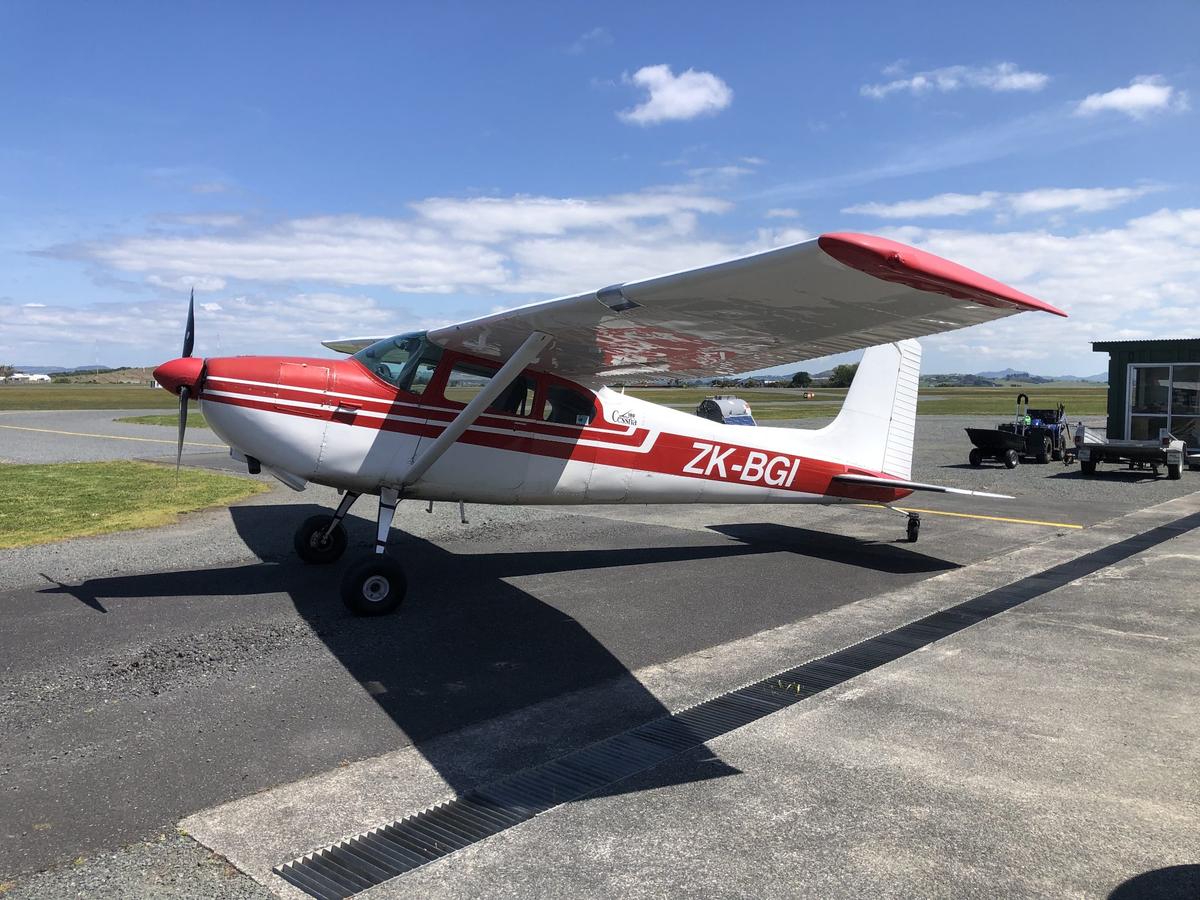
If your mission is load-carrying, versatility, and real-world utility, the Cessna 185 is hard to beat.
It comfortably carries four people, plenty of gear, cruises at solid speeds, and still delivers strong short takeoff and landing performance. It’s a genuine go-anywhere, do-anything aircraft—and has earned its reputation as one of the most capable utility taildraggers ever built.
If you don’t quite need the full capability of the 185, the Cessna 180 is an excellent alternative. It offers a more economical entry point while still delivering strong performance and versatility.
Both aircraft benefit from the classic Cessna wing—stable, predictable, and well-mannered. That makes them surprisingly accessible, even as a first tailwheel aircraft with the right guidance.
With proper instruction and a thoughtful approach, many pilots transition successfully into a 180 or 185 early in their journey. Expect around 15–20 hours of solid transition training to build confidence and proficiency.
For those needing even greater payload and serious hauling capability, aircraft like the DHC-2 Beaver or Pilatus Porter step into another category entirely—but for most missions, the 185 remains the ultimate balance of performance and practicality.

At the top end of the spectrum sits the dream—owning and flying a WWII fighter.
This isn’t where you start. By this stage, you’re already an experienced tailwheel pilot, likely with time in heavier aircraft such as the T-6 Harvard or similar.
When stepping into your first true fighter, practicality matters more than people think. You’re looking for something that can be operated solo, isn’t overwhelmingly complex, and has a realistic maintenance pathway.
While icons like the Spitfire and P-51 Mustang are incredibly appealing, they come with significant complexity, cost, and maintenance demands.
Aircraft like the Yak-9 (and similar Yak variants, often with more modern engine configurations) present a more accessible entry point into the warbird world. They still deliver the look, feel, and performance of a WWII fighter, but with comparatively simpler systems and more manageable ownership.
Every warbird demands respect—but some are far more realistic to own and operate than others.
That’s where we come in.
At Stick ’n Rudder, we specialise in helping pilots find the right tailwheel aircraft for their mission. Whether you want full buyer’s agent support or just guidance along the way, we’re here to help.
You can also browse our latest listings on the marketplace or join our newsletter to stay up to date with new aircraft hitting the market.
Your next adventure starts with the right aircraft—let’s find it.
Searching for your dream aircraft but can’t find it listed? That’s where we step in! As your aircraft Buyer’s Agent, we leverage our network to locate exclusive off-market aircraft tailored to your needs. Our industry-leading 5-Star Standard Inspection and robust legal framework ensure you make a confident, well-informed purchase. Need ferry services or type-specific training? We’ve got that covered too!
Looking for a professional aircraft broker or aircraft sales service that manages the entire process for you? We’ve developed a proven, methodical approach backed by a strong legal framework to ensure a seamless and stress-free sale. Plus, if needed, we can arrange ferry services and provide training for the new owner, ensuring a smooth handover from start to finish.

Explore a wide range of tailwheel aircraft for sale—from capable bush planes to fast, high-performance machines. Whether you’re buying your first aircraft or upgrading, find options that match your mission and experience.
Backed by real industry expertise, you can browse with confidence and discover aircraft that truly fit your flying goals.
ENTER “SAVE10” for a 10% DISCOUNT – VALID THIS MONTH ONLY!
The best tailwheel aircraft for beginners is typically a simple, forgiving model like the Rans S-7 or Piper Super Cub. These aircraft offer stable handling, lower speeds, and are ideal for building foundational tailwheel skills safely.
The Piper Super Cub is widely considered the best tailwheel aircraft for bush flying due to its excellent short takeoff and landing (STOL) performance, light weight, and ability to operate from rough, unimproved surfaces.
Yes—tailwheel aircraft are generally more challenging to fly than tricycle gear aircraft. They demand sharper coordination, more precise control inputs, and proper technique, particularly during takeoff and landing.
But that’s exactly the point—mastering a tailwheel makes you a better pilot.
Most pilots require between 5 to 15 hours of tailwheel training to become proficient, depending on their experience, skill level, and the type of aircraft used.
When choosing a tailwheel aircraft, consider your mission (bush flying, speed, or utility), budget, experience level, maintenance requirements, and aircraft performance characteristics.
