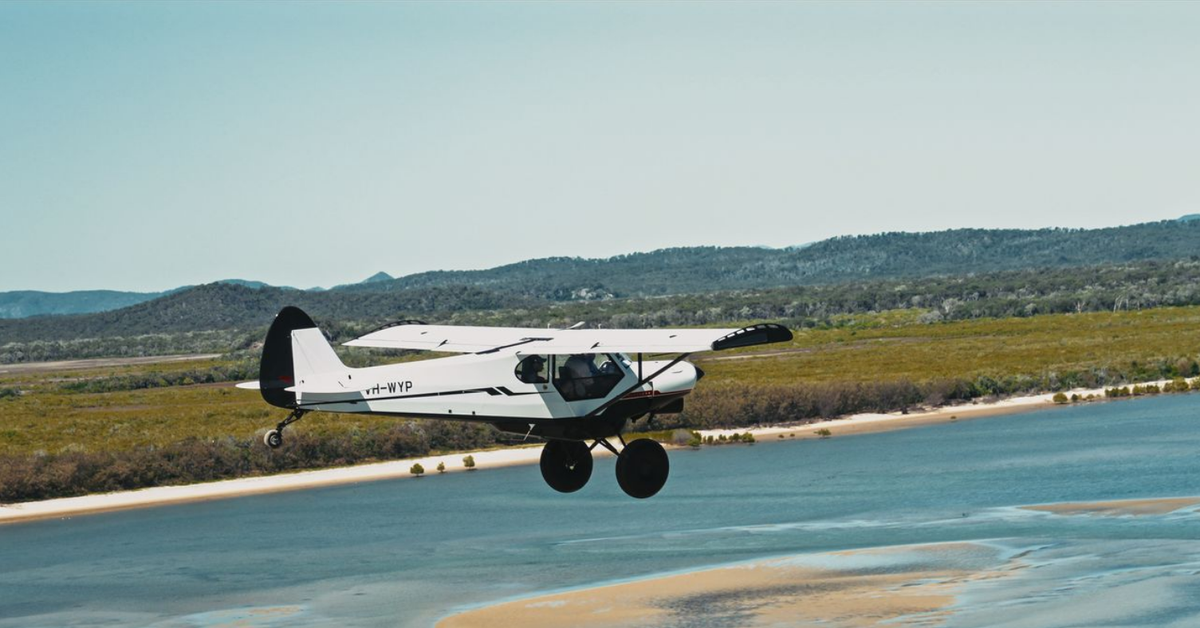
For many pilots, learning to fly tailwheel aircraft is one of the most valuable steps in improving their flying skills. While modern training aircraft often use nosewheel landing gear, many experienced aviators believe that tailwheel flying teaches the fundamental stick-and-rudder skills that define truly capable pilots.
Tailwheel endorsement training focuses on developing the coordination, precision, and situational awareness required to operate aircraft with tailwheel landing gear. Unlike tricycle-gear aircraft, tailwheel aeroplanes demand greater attention to rudder control, directional stability, and energy management during takeoff and landing.
Because of these characteristics, tailwheel training is widely regarded as one of the best ways to strengthen a pilot’s overall flying ability.
Pilots who complete tailwheel endorsement training often discover that their aircraft handling skills improve dramatically, particularly when operating in crosswinds, short runways, or grass airstrips.
For pilots interested in bush flying, adventure flying, or simply becoming more capable aviators, tailwheel endorsement training is often considered an essential step.
Tailwheel endorsement training is specialised flight training that teaches pilots how to operate aircraft equipped with tailwheel landing gear. The training focuses on rudder coordination, directional control, crosswind handling, and precise takeoff and landing techniques.
A bush pilot is a pilot trained to operate aircraft in remote or undeveloped environments where airport infrastructure is limited or absent. Bush pilots frequently land on short or unimproved airstrips and must rely on precise aircraft control, terrain awareness, and conservative decision-making to operate safely.
To understand tailwheel endorsement training, it helps to first understand what tailwheel landing gear is and how it differs from more common aircraft configurations.
Most modern training aircraft use tricycle landing gear, which places two main wheels under the wings and a nosewheel at the front of the aircraft.
Tailwheel aircraft, however, use a different configuration.
They have:
Because the aircraft rests with its nose slightly elevated while on the ground, the handling characteristics during taxi, takeoff, and landing are quite different from those of nosewheel aircraft.
This configuration introduces several unique challenges that tailwheel endorsement training is designed to address.
Tailwheel aircraft require greater pilot attention because their centre of gravity sits behind the main landing gear.
This configuration can make the aircraft more sensitive to directional changes during ground operations.
If not properly controlled with rudder inputs, a tailwheel aircraft may begin to yaw during landing rollout. In extreme cases, this can develop into what pilots call a ground loop, where the aircraft pivots sharply around its landing gear.
Because of this, tailwheel aircraft demand:
While this may sound challenging, it is exactly why tailwheel training is so valuable.
These aircraft teach pilots to actively manage the aircraft rather than passively relying on forgiving landing gear geometry.
Pilots pursue tailwheel endorsement training for several different reasons.
Some want to fly classic aircraft such as the Piper Super Cub or Cessna 180. Others are interested in bush flying or operating from grass airstrips.
However, one of the most common motivations is simple:
Tailwheel training makes pilots better.
Because tailwheel aircraft demand precise control inputs, pilots quickly develop stronger stick-and-rudder skills.
Common benefits include:
These skills transfer directly to all types of flying, including nosewheel aircraft.
Many experienced instructors believe that tailwheel training should be a core component of pilot development.
Tailwheel endorsement training focuses heavily on aircraft handling during the most demanding phases of flight: takeoff and landing.
Pilots learn several core skills during training.
Tailwheel aircraft sit in a nose-high attitude on the ground, which can reduce forward visibility.
Because of this, pilots must learn specialised taxi techniques, such as S-turns, to maintain awareness of the taxi path ahead.
Ground handling training also emphasises:
These skills form the foundation for safe tailwheel operations.
Tailwheel takeoffs require careful management of aircraft attitude and directional control.
During training, pilots learn how to:
Because tailwheel aircraft respond quickly to rudder inputs, pilots must remain attentive throughout the takeoff roll.
Landing is where tailwheel aircraft demand the greatest level of skill.
Tailwheel endorsement training typically introduces two primary landing techniques.
A three-point landing occurs when the aircraft touches down with both main wheels and the tailwheel contacting the ground simultaneously.
This technique is commonly used in short-field operations and helps minimise landing distance.
In a wheel landing, the aircraft touches down first on the main wheels while the tail remains elevated.
This technique can provide greater control in certain wind conditions and is often used in stronger crosswinds.
During training, pilots practice both techniques to develop a broader skillset.
Tailwheel aircraft are particularly sensitive to crosswinds.
Tailwheel training therefore, emphasises strong crosswind technique, including:
Pilots who master crosswind control during tailwheel endorsement training often find that their confidence in windy conditions improves significantly.
Because tailwheel aircraft are less forgiving during landing, pilots must learn to manage energy carefully during approach.
Training emphasises:
These habits reinforce disciplined flying techniques that benefit all types of aviation.
Several aircraft types are commonly used during tailwheel endorsement training.
These aircraft are well-suited for training because they provide strong handling feedback and forgiving flight characteristics.
Common tailwheel training aircraft include:
These aircraft help pilots develop the skills required for tailwheel flying while remaining predictable and controllable during training.
Tailwheel endorsement training is valuable for many types of pilots.
Pilots who benefit most from tailwheel training include:
Even pilots who intend to fly primarily nosewheel aircraft often find that tailwheel training significantly improves their overall flying ability.
The duration of tailwheel endorsement training varies depending on several factors.
These include:
Some pilots may complete the endorsement in several training flights, while others require additional practice to develop consistent landing technique.
Tailwheel training is typically competency-based rather than hour-based.
The goal is not simply logging hours but demonstrating safe and consistent control of the aircraft.
One of the most interesting aspects of tailwheel training is how broadly the skills transfer to other aircraft.
Pilots who complete tailwheel endorsement training often notice improvements in:
These improvements occur because tailwheel aircraft provide immediate feedback when technique is incorrect.
Rather than masking mistakes, tailwheel aircraft force pilots to refine their control inputs.
As a result, pilots become more precise and confident in all flying environments.
Tailwheel endorsement training is more than a regulatory requirement for flying tailwheel aircraft. It is an opportunity to develop stronger aviation fundamentals and refine aircraft handling skills.
Pilots who complete tailwheel training often discover that it transforms their approach to flying. By demanding precise control and constant attention, tailwheel aircraft help build habits that improve safety and confidence in all types of flying.
For pilots interested in improving their skills, operating from grass strips, or exploring bush flying environments, tailwheel endorsement training offers a valuable and rewarding pathway.
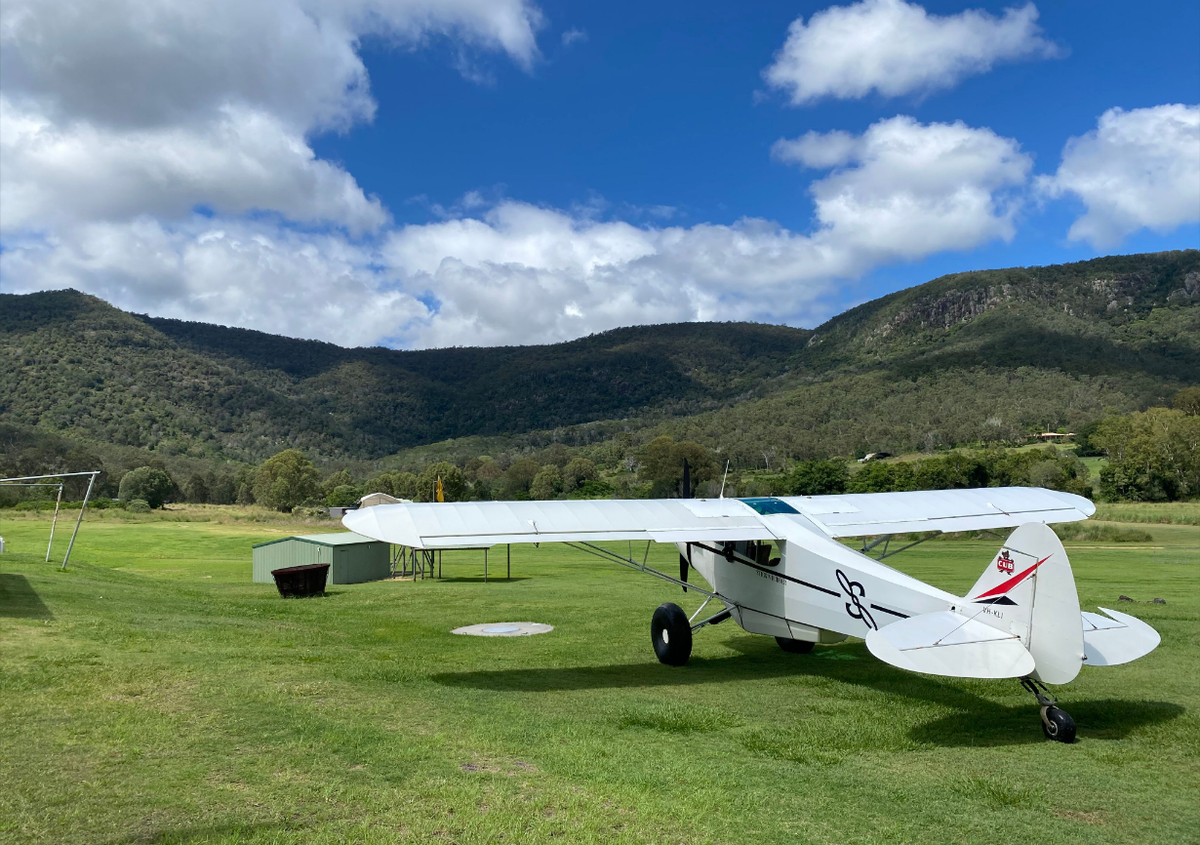
Take your flying skills to the next level with our specialised Tailwheel Endorsement course. Train in the legendary Super Cub and develop precise control, confidence, and real-world handling skills under the guidance of highly experienced instructors.
From your first briefing to your final landing, every lesson is practical, tailored, and designed to sharpen your stick-and-rudder abilities in a supportive, hands-on environment.
A rewarding, skill-focused experience that builds better pilots — every time you fly.
ENTER “SAVE10” for a 10% DISCOUNT – VALID THIS MONTH ONLY!
Tailwheel endorsement training teaches pilots how to safely operate aircraft equipped with tailwheel landing gear. The training focuses on rudder coordination, directional control, and specialised takeoff and landing techniques.
The time required to complete a tailwheel endorsement varies depending on a pilot’s experience and individual learning pace. As a guide, most pilots complete the course in approximately 6–9 hours of flying, typically over 2–3 days of training, supported by a series of short briefings and detailed post-flight reviews.
As a competency-based course, the focus is on developing safe, consistent tailwheel handling—not simply meeting minimum requirements. Some pilots may complete the training within this timeframe, while others may require additional flying to achieve the standard expected of a confident, capable tailwheel pilot.
Yes. Pilots must complete tailwheel endorsement training before acting as pilot in command of an aircraft with tailwheel landing gear.
Tailwheel aircraft require precise control coordination and careful energy management. These skills strengthen a pilot’s overall aircraft control and improve performance in all types of flying.