Tailwheel flight training is often described as one of the most valuable steps a pilot can take not because it introduces completely new concepts, but because it raises the standard of everything you already do.
For most pilots trained on nosewheel aircraft, flying becomes predictable. The aircraft is stable, forgiving, and designed to smooth out small mistakes. Tailwheel aircraft are different.
They don’t hide poor technique.
They expose it.
This is what makes tailwheel flight training so effective. It forces pilots to develop precise control, disciplined coordination, and a deeper understanding of how an aircraft actually behaves particularly close to the ground, where it matters most.
For pilots considering tailwheel training, the question isn’t whether it’s different.
It’s how much better it can make you.
Tailwheel flight training teaches pilots how to operate aircraft with conventional landing gear, focusing on rudder coordination, directional control, landing precision, and safe operation in crosswind and short-field conditions.
Most pilots notice the difference before they even leave the ground.
Taxiing a tailwheel aircraft requires more awareness. Forward visibility is reduced, rudder inputs matter more, and the aircraft responds quickly to small control movements.
From the very beginning, the key difference becomes clear:
You are actively flying the aircraft at all times.
There is no passive phase.
During takeoff, small deviations must be corrected immediately. During landing, alignment and control must be maintained right through rollout. There is less tolerance for delay or imprecision.
This is where tailwheel flight training begins to reshape how pilots think.
Instead of reacting, you learn to anticipate.
Many pilots assume tailwheel training is about learning a new type of aircraft.
In reality, it’s about developing better control of any aircraft.
Tailwheel aircraft demand accuracy.
Approaches must be stable, speeds must be controlled, and touchdown points must be intentional.
There is very little room for “close enough.”
Over time, this builds:
In nosewheel aircraft, it’s possible to get away with less-than-perfect rudder work.
In tailwheel aircraft, that doesn’t last long.
Directional control depends heavily on correct rudder input, especially during:
Pilots quickly develop a much stronger connection between what they feel and how the aircraft responds.
Tailwheel aircraft highlight one of the most important principles in aviation:
Energy must be managed early not corrected late.
Excess speed results in float and long landings. Poor planning results in unstable approaches.
Tailwheel flight training teaches pilots to:
These habits transfer directly into safer flying across all aircraft types.
Crosswinds are where tailwheel training becomes particularly valuable.
Because tailwheel aircraft are more sensitive to drift and alignment, pilots must develop strong crosswind technique.
Training focuses on:
Pilots who complete tailwheel training often report a significant increase in confidence when operating in windy conditions.
Tailwheel flight training is structured, but highly practical.
It focuses on repetition, feedback, and gradual improvement rather than theory alone.
Training begins with understanding how tailwheel aircraft behave.
This includes:
This stage sets expectations and helps pilots understand why the aircraft behaves differently.
Most of the learning happens in the circuit.
Pilots practice:
Each session builds on the previous one.
The goal is not just completing landings it’s achieving consistency.
For pilots looking to develop these skills properly, structured programs like tailwheel flight training provide a clear progression, expert feedback, and a safer path to building real proficiency.
One of the most important changes tailwheel training introduces is mindset.
Pilots move from:
This includes:
This shift carries over into all flying even when returning to nosewheel aircraft.
Tailwheel training is not difficult but it is honest.
It quickly reveals habits that may have gone unnoticed before.
New tailwheel pilots often make excessive or abrupt inputs.
Training helps refine smoother, more precise control movements.
Maintaining alignment during rollout takes practice.
This is one of the most important safety skills developed.
Tailwheel aircraft require quicker, earlier inputs.
Pilots learn to think ahead rather than react late.
Tailwheel flight training is valuable for more than just bush pilots.
It is particularly suited to:
Even experienced pilots benefit from the discipline it builds.
There is no fixed timeline.
Tailwheel training is based on competence, not hours.
Some pilots adapt quickly, while others require more time to develop consistency.
The goal is simple:
Safe, controlled, repeatable handling of the aircraft.
Some pilots attempt to learn tailwheel techniques informally.
The risk is that small mistakes become habits.
Structured training provides:
For pilots serious about improving their skills, structured programs that help you learn tailwheel flying provide the guidance, feedback, and consistency needed to build safe, repeatable technique.
Tailwheel flight training is not about flying a different type of aircraft.
It’s about becoming a more precise, disciplined, and capable pilot.
It develops skills that many pilots assume they already have but often at a much higher level than expected.
For those willing to engage with the process, the result is not just a new endorsement.
It’s a noticeable improvement in how you fly.
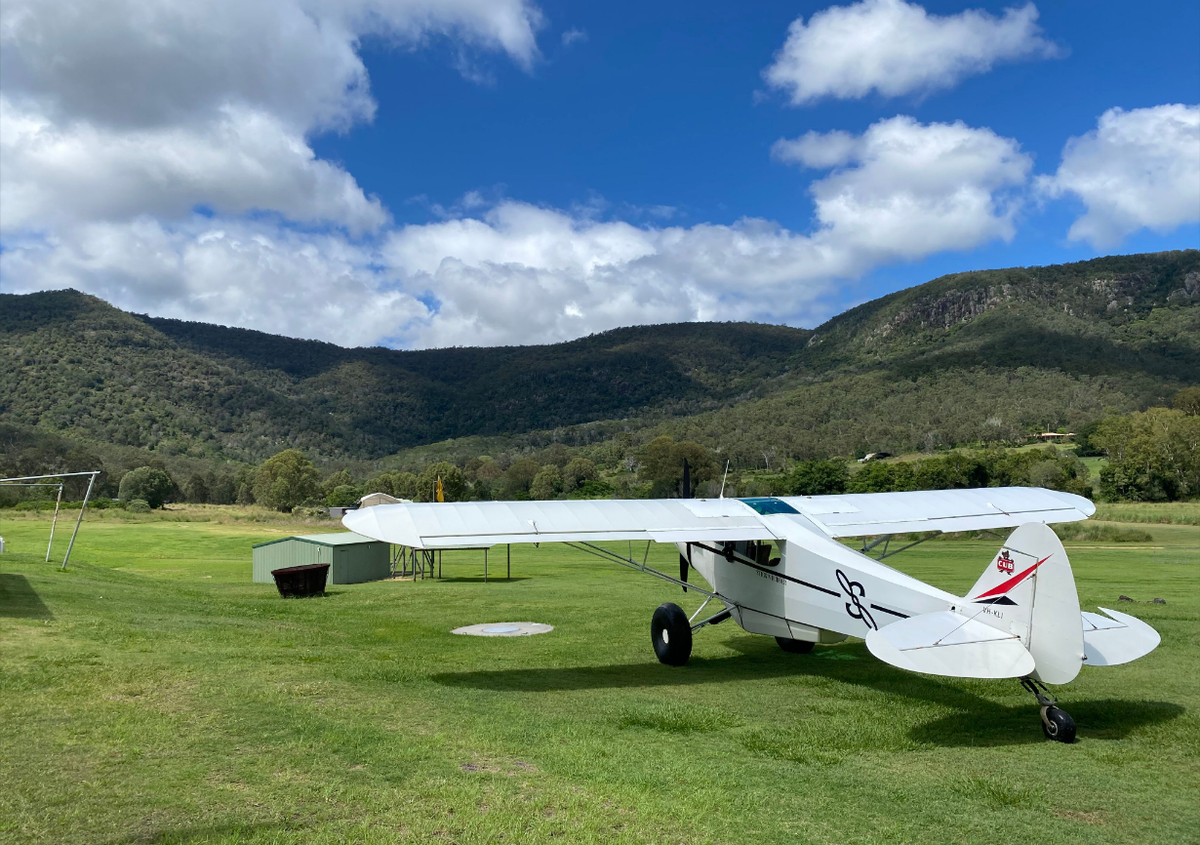
Take your flying skills to the next level with our specialised Tailwheel Flight Training course. Train in the legendary Super Cub and develop precise control, confidence, and real-world handling skills under the guidance of highly experienced instructors.
From your first briefing to your final landing, every lesson is practical, tailored, and designed to sharpen your stick-and-rudder abilities in a supportive, hands-on environment.
A rewarding, skill-focused experience that builds better pilots every time you fly.
ENTER “SAVE10” for a 10% DISCOUNT – VALID THIS MONTH ONLY!
Tailwheel flight training is specialised instruction focused on flying aircraft with conventional landing gear, where the small wheel is located at the rear of the aircraft instead of the nose. Unlike standard nosewheel training, tailwheel flying requires continuous pilot input, particularly during takeoff and landing.
The key difference is how actively the pilot must manage the aircraft. Tailwheel aircraft are less forgiving of poor technique, especially when it comes to directional control, rudder coordination, and landing alignment. This means pilots must develop a higher level of precision and awareness.
As a result, tailwheel flight training is often considered one of the best ways to improve overall flying ability, even for pilots who primarily fly nosewheel aircraft.
Tailwheel flight training improves fundamental flying skills by removing many of the “forgiving” characteristics found in nosewheel aircraft. It forces pilots to develop precise control inputs, strong rudder coordination, and better energy management.
Because tailwheel aircraft respond quickly to small mistakes, pilots learn to correct issues earlier and more accurately. This leads to improved landing technique, better crosswind handling, and stronger situational awareness.
Many experienced instructors consider tailwheel training one of the most effective ways to refine stick-and-rudder skills, which directly improves safety and confidence in all types of flying.
Tailwheel flight training can feel challenging at first, especially for pilots who have only flown nosewheel aircraft. The main adjustment is learning to actively manage the aircraft at all times, particularly during landing rollout and crosswind conditions.
However, the training is structured to build skills progressively. Most pilots adapt quickly once they understand the importance of timing, coordination, and anticipation.
Rather than being difficult, tailwheel training is better described as precise. With consistent instruction and practice, pilots typically gain confidence within a relatively short number of lessons.
Tailwheel flight training is competency-based rather than time-based, meaning the duration depends on how quickly a pilot develops consistent control and safe handling skills.
Some pilots may achieve proficiency within a few hours of training, while others may require additional time depending on their previous experience, frequency of lessons, and ability to adapt to the different handling characteristics.
The goal of tailwheel training is not simply to complete a set number of hours, but to demonstrate consistent and controlled aircraft handling, particularly during takeoff and landing phases.
Yes, pilots in Australia are required to complete a tailwheel endorsement before acting as pilot in command of a tailwheel aircraft. This endorsement ensures that the pilot has received proper training and demonstrated the necessary skills to operate tailwheel aircraft safely.
The endorsement is typically completed through structured tailwheel flight training with a qualified instructor, who assesses the pilot’s ability to manage directional control, landing technique, and aircraft handling.
While tailwheel flight training is not legally required for all types of bush flying, it is strongly recommended. Many aircraft used in bush flying environments are tailwheel-configured due to their suitability for rough, short, or unimproved airstrips.
More importantly, the skills developed during tailwheel training such as precise aircraft control, short-field landing technique, and strong situational awareness are directly applicable to bush flying operations.
For pilots interested in operating in remote environments, tailwheel flight training is often considered a foundational step.
Tailwheel flight training is commonly conducted in aircraft designed to provide strong feedback and stable handling characteristics while still requiring precise control.
Typical training aircraft include:
These aircraft are well suited for training because they allow pilots to develop key skills such as rudder coordination, landing precision, and energy management in a controlled learning environment.
Yes, tailwheel flight training is highly beneficial even for experienced pilots. Many pilots with significant flight hours discover that tailwheel training improves aspects of their flying that were previously overlooked.
The training reinforces core skills such as:
Even pilots who do not intend to regularly fly tailwheel aircraft often find that the training improves their confidence and overall flying performance.
The cost of tailwheel flight training in Australia varies depending on the aircraft type, instructor rates, and number of hours required to achieve proficiency.
Typically, training costs are calculated per flight hour and may include:
Because training is competency-based, total cost depends on how quickly a pilot progresses. Pilots who train consistently often complete their training more efficiently.