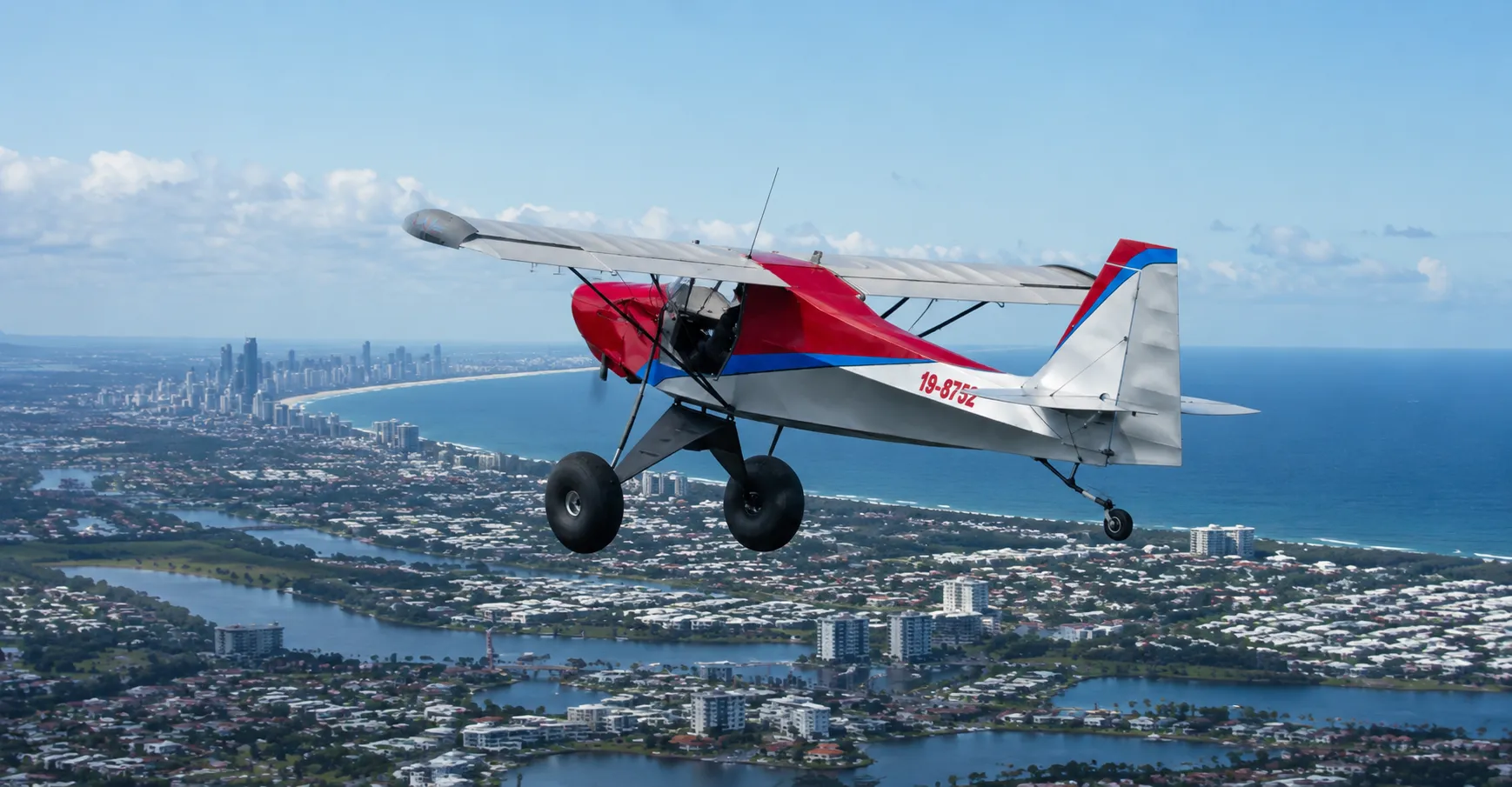
It’s no secret that a tailwheel aircraft is a better training platform.
Don’t believe me? Find an experienced flight instructor who genuinely knows how to fly both tailwheel and nosewheel aircraft and ask them a simple question:
“If you were teaching your own children to fly, what would you teach them in?”
I reckon I know what most of them would say.
So, if tailwheel aircraft can produce such capable pilots, why has the nosewheel aircraft completely dominated the modern flight training sector?
It’s easy.
Yep, I said it. It’s simply easier.
A nosewheel aircraft is easier to learn to fly. It’s easier for a flying school to acquire. It’s generally easier to operate. And perhaps most importantly, the vast majority of instructors coming through the modern training system simply don’t have meaningful tailwheel experience themselves.
That doesn’t make nosewheel aircraft bad aeroplanes. Far from it. But somewhere along the way, we’ve started designing flight training around making things easier rather than asking what might make someone a better pilot.
And tailwheel flying isn’t just about becoming a better pilot.
It can completely change where flying takes you.
Most of us didn’t get into aviation because we dreamed about checklists, regulations, paperwork and maintaining currency.
We got into it because flying looked like fun.
And on the private flying side, tailwheel aircraft can open the door to some seriously good fun.
Think Super Cubs, bush flying and remote strips.
Think about landing somewhere that doesn’t have a terminal, a café or even a windsock. You’re sitting around a fire with a few mates on top of a mountain, your aeroplanes parked beside you and absolutely nowhere you need to be.
That is aviation.
Or maybe bush flying isn’t your thing.
What about aerobatics?
Competition aerobatics. Formation flying. Airshows. Smoke on. Flying an aeroplane because you want to see what you and it are actually capable of.
Tailwheel flying can introduce you to corners of aviation that many pilots don’t even realise exist.
It can take you away from simply flying from Airport A to Airport B and introduce you to an entire community built around actually doing something with an aeroplane.
And it doesn’t have to remain a hobby.
Ask a young commercial pilot about their career aspirations and there’s a fair chance the answer involves the airlines.
And there’s absolutely nothing wrong with that. For many pilots, an airline career is exactly what they want.
But we’ve somehow developed this idea that getting into the right-hand seat of an airliner is the pinnacle of professional aviation.
Is it really?
Maybe for you it is.
But what if your dream involves flying an aerobatic aeroplane in front of thousands of people at an airshow?
What if one day that airshow happens to be Oshkosh?
Imagine rolling inverted, smoke pouring from the aeroplane, with thousands of people watching from below.
That’s a professional flying career too.
What about flying an agricultural aircraft just feet above the ground?
You’re not sitting at 35,000 feet watching the world go past underneath you. You’re down amongst it.
You’re flying an aeroplane precisely and purposefully, using your skills every single day while supporting farmers, businesses and families.
You might live in the same town for years.
You know the farmers you’re working for. Your kids go to the local school. You know the bloke behind the counter at the pub. You’re not commuting across the country to start a four-day roster.
You’re part of a community.
For some people, that sounds like a pretty bloody good flying career.
Think about the pilots flying agricultural-style aircraft and specialised firebombers during Australia’s bushfire season.
You’re flying low-level, demanding operations in difficult conditions.
But you’re doing it for a reason.
There’s a fire heading towards someone’s property and you’re part of the team trying to stop it.
You’re helping protect people’s homes, farms, animals and livelihoods.
At the end of the day you haven’t simply transported passengers from one city to another. You can actually point towards something and say:
“We helped save that.”
Surely, for some pilots, that’s going to be more rewarding than putting on a formal uniform, programming an FMS, monitoring an aeroplane’s systems for hours while crossing an ocean and then living out of a suitcase away from your family and friends.
Again, I’m not knocking airline flying. It’s an incredible career and exactly where plenty of pilots belong.
The point is that it isn’t the only definition of success in aviation.
Oh and did I forget one?
You could become a specialist tailwheel flight instructor or training provider.
You know… like you know who.
You could spend your days jumping into Super Cubs and other interesting aeroplanes with equally interesting people.
One day you’re teaching someone their first tailwheel endorsement. The next you’re operating off a beach. Then you’re working with an aircraft owner who has spent years dreaming about taking their aeroplane into the bush but hasn’t yet had the confidence or skills to do it.
And you get to help turn that dream into reality.
You meet some seriously cool people along the way.
Not a bad office.
The point isn’t that every pilot needs to become an agricultural pilot, airshow performer, firefighter or bush pilot.
And it’s certainly not that everyone should avoid the airlines.
The point is much simpler.
There is a massive world of aviation beyond the conventional pathway we’re shown when we first learn to fly.
Tailwheel flying is one of the best doorways into it.
It teaches you to use your feet. It teaches you about energy, wind and aircraft control. It teaches you that the flight isn’t finished when the wheels touch the ground.
But perhaps more importantly, it introduces you to different aeroplanes, different pilots and different ways of using aviation.
It can take you:
So if you’ve been following the traditional aviation pathway because that’s simply where everyone told you flying was supposed to lead, perhaps it’s worth asking yourself a different question.
Where do you actually want flying to take you?
Because the answer might have a little wheel at the back.
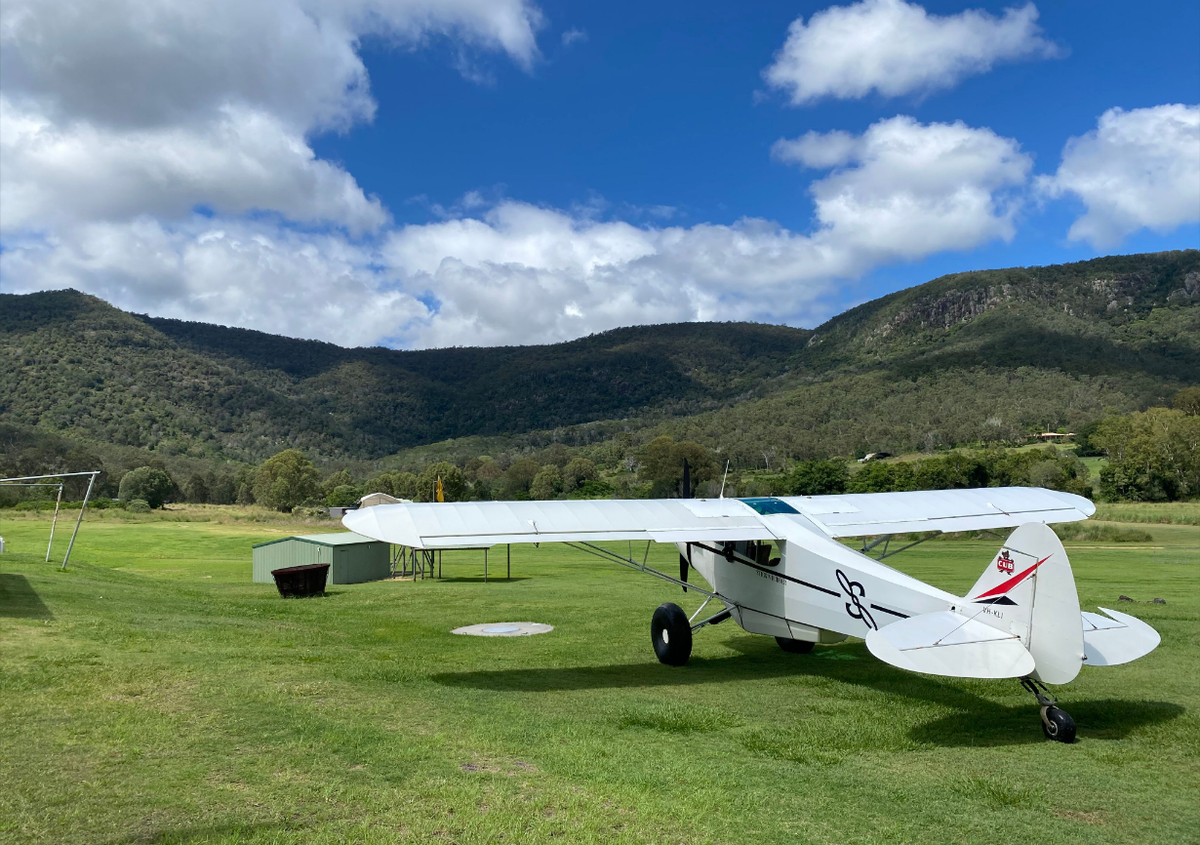
Take your flying skills to the next level with our specialised Tailwheel Flight Training course. Train in the legendary Super Cub and develop precise control, confidence, and real-world handling skills under the guidance of highly experienced instructors.
From your first briefing to your final landing, every lesson is practical, tailored, and designed to sharpen your stick-and-rudder abilities in a supportive, hands-on environment.
A rewarding, skill-focused experience that builds better pilots every time you fly.
ENTER “SAVE10” for a 10% DISCOUNT – VALID THIS MONTH ONLY!