In a world of GPS, autopilot, and glass cockpits, it’s easy to forget what real hands-on flying feels like. Enter the tailwheel aircraft—a classic configuration that’s stood the test of time and continues to turn good pilots into great ones.
Learning to fly a tailwheel aircraft isn’t just about checking another box. It’s a powerful way to build real stick-and-rudder skills, boost confidence, and reconnect with the fundamentals of flight.
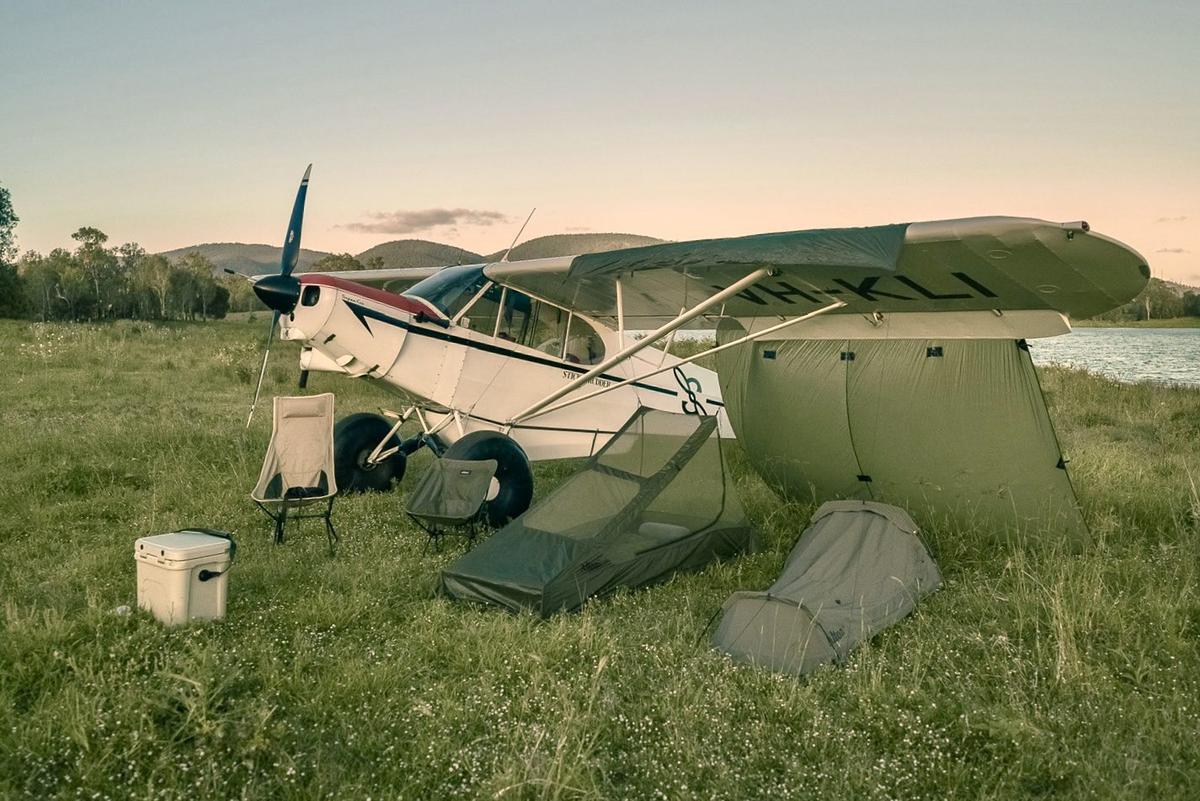
Tailwheel aircraft, also known as “taildraggers,” have two main wheels up front and a small wheel (or skid) under the tail. This design was standard before tricycle gear became popular, and it’s still widely used today in bush flying, aerobatics, and vintage aviation.
Because of their design, tailwheel aircraft handle very differently—especially on the ground. Learning to master them teaches a pilot much more than just how to taxi without a nosewheel.
Tailwheel flying demands precise control. On the ground, they’re more prone to ground loops and directional instability, which means rudder coordination becomes second nature very quickly.
You’ll come out of tailwheel training with:
Better rudder awareness
Improved crosswind landing technique
Stronger feel for aircraft energy management
These are skills that carry over into every other aircraft you’ll fly.
Flying a taildragger forces you to think ahead—whether it’s anticipating wind drift on rollout or reading a rough, narrow strip. You’ll naturally start:
Planning your taxi routes with more intention
Being aware of slope, surface, and wind when choosing a landing direction
Making earlier go-around decisions when something doesn’t feel right
This heightened awareness builds decision-making confidence, especially in challenging conditions.
Learning tailwheel opens the door to bush flying, mountain strips, and off-airport adventures. These aircraft are built for rugged use, and tailwheel training is often the first step toward:
STOL (Short Takeoff and Landing) flying
Backcountry camping under the wing
Station flying, property access, or remote community transport
You’ll gain not just a new skill, but a whole new lifestyle.
There’s something deeply rewarding about flying a tailwheel aircraft. It strips away modern automation and brings you back to seat-of-the-pants flying—just you, the machine, and the wind.
For pilots who started on modern trainers, tailwheel flying offers a fresh challenge and a deeper appreciation for the art of aviation.
Whether you’re looking to fly for fun or build hours for a career, tailwheel time makes your logbook stand out. It shows:
You’ve mastered more challenging ground handling
You’ve committed to real flying skills, not just button-pushing
You’re confident in dynamic and variable conditions
Many operators—especially in agricultural, station, bush, or fire operations—require or prefer tailwheel experience. It’s not just a badge of honour—it’s a competitive advantage.
At Stick ‘n Rudder, we specialise in tailwheel and bush flight training designed for real-world pilots. Whether you’re curious about learning to fly in a Super Cub or want to challenge yourself with backcountry flying and underwing camping, we’ve built the only program in Australia that combines skill-building with true adventure.
Prepare for your practical tailwheel training with our online course. It features illustrations and interactive quizzes, along with written and video content by one of Australia’s most experienced tailwheel flight instructors.
ENTER “SAVE10” for a 10% DISCOUNT – VALID THIS MONTH ONLY!

No, tailwheel training is not necessary for most Australian pilot licenses. Tailwheel time is often a requirement for many bush pilots as well as agricultural operators when they are interviewing for jobs.
In searching for a tailwheel aircraft for sale in Australia, you should find out about aircraft history, STOL performance, airworthiness, and compatibility for your training or mission objectives. It is advisable to use an experienced aviation trader or broker who can help you evaluate quality listings and prevent costly errors.
Yes. Most flight schools, such as Stick ‘n Rudder, let you include tailwheel flying in your private or recreational pilot training stream. It’s an excellent way to develop basic skills early on while venturing into the backcountry or off-airport flying.
Yes, there is increasing demand for pilots trained in tailwheels in Australia, particularly for agriculture, remote transport, tourism, and firefighting. Employers appreciate pilots who have experience in dynamic ground and uncertain conditions, and this training is often an indicator of just that.
Yes, tailwheel training is a requirement for bush flying. Tailwheel aircraft are ideally suited to rough, unprepared airstrips that are typical of remote regions of Australia. Training prepares pilots for these harsh conditions so they can fly them safely.