There are plenty of tailwheel aircraft out there.
Some are faster. Some are cheaper. Some are more modern. Some have incredible short-field performance.
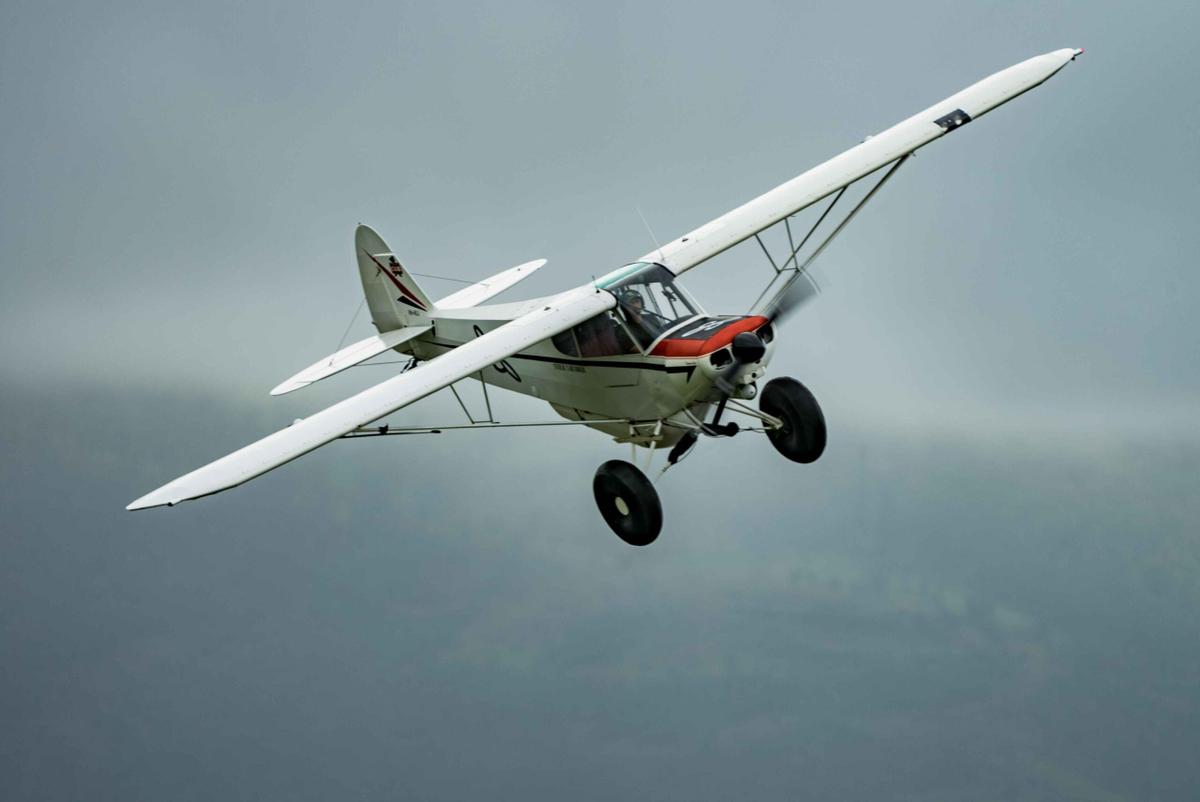
But when it comes to teaching pilots how to fly tailwheel aircraft and then taking those same pilots into genuine backcountry operations it’s pretty hard to go past the Piper Super Cub.
There’s a reason the Super Cub has been considered one of the ultimate bush planes for generations.
And there’s a reason we use one.
The Super Cub isn’t a new design trying to recreate the bush aircraft concept.
It’s the aeroplane that helped define it.
For decades, Super Cubs have operated in some of the most demanding environments in the world. Alaska, mountains, farms, beaches, remote communities and places where the word airstrip can be used pretty loosely.
Their reputation comes from a simple combination of attributes that are difficult to beat:
But there’s another characteristic that’s particularly important to us.
The Super Cub is a fantastic training aeroplane.
When you’re introducing someone to tailwheel flying, you don’t necessarily want an aeroplane that’s trying to kill them.
But you don’t want one that hides their mistakes either.
The Super Cub sits beautifully in the middle.
It’s stable. It’s predictable. The wing is forgiving and the aeroplane gives the pilot plenty of feedback.
But it’s still a tailwheel aeroplane.
Get lazy with your feet and it’ll tell you.
Stop paying attention to the wind and it’ll tell you.
Land with the aeroplane pointing somewhere other than where it’s travelling and, yep, it’ll definitely tell you.
That’s exactly what we want from a training platform.
We’re not trying to teach pilots how to survive a difficult aeroplane. We’re trying to teach them the fundamentals of controlling a tailwheel aircraft properly.
The Super Cub allows us to do that without masking the characteristics that make tailwheel training so valuable in the first place.
Here’s where the Super Cub really starts to make sense.
Once you’ve learnt the fundamentals, we don’t need to change aeroplanes.
We can simply start asking more from it — and from you.
A nice long grass runway can become a shorter one.
Flat ground can become sloping terrain.
A straightforward approach can become one surrounded by terrain, trees or obstacles.
We can introduce different surfaces, confined areas, crosswinds and increasingly challenging backcountry environments.
Suddenly the same friendly Super Cub that taught you the basics of three-point landings and directional control is asking you to make proper decisions about:
The aeroplane hasn’t fundamentally changed.
The mission has.
And that’s where the learning becomes seriously good fun.
Backcountry flying isn’t really about taking an empty aeroplane around the circuit and seeing how short you can land it.
The whole point is being able to go somewhere.
That’s another reason we love the Super Cub.
It has genuine load-carrying capability.
Better still, ours has a belly pod.
So when we head away for backcountry training, we can actually load the aeroplane with the gear we’re going to use.
Now we’re not pretending we’re going bush flying.
We’re going bush flying.
And that changes the training.
The aeroplane is heavier. Its performance changes. Take-off distance changes. Landing distance changes. Climb performance changes.
The pilot has to think about weight, balance, fuel, equipment and what they genuinely need to take with them.
That’s exactly what real-world aircraft operation looks like.
We could teach advanced aircraft handling by flying endless circuits onto a perfectly maintained runway.
And there’s certainly a place for that.
But eventually training needs to connect with why you wanted to learn these skills in the first place.
If your dream is to take your own aeroplane into the backcountry, camp beside it and wake up somewhere most people can’t easily get to, then we want your training to prepare you for exactly that.
We want you to understand:
The Super Cub gives us a platform capable of progressing with the pilot all the way through that journey.
We don’t use the Super Cub because it’s nostalgic.
We don’t use it because it looks good sitting on big tyres.
And we definitely don’t use it because it’s the newest or most technologically advanced aeroplane available.
We use it because it works.
It’s forgiving enough to introduce someone to tailwheel flying without hiding poor technique.
It’s capable enough to challenge an experienced pilot in demanding backcountry environments.
It can operate from places where conventional training aircraft simply don’t belong.
And it can carry enough gear to turn a training exercise into an actual adventure.
You can learn to fly it on the airfield.
Then load the belly pod, point the nose towards the mountains and discover what all that training was actually for.
That’s why we use the Super Cub.
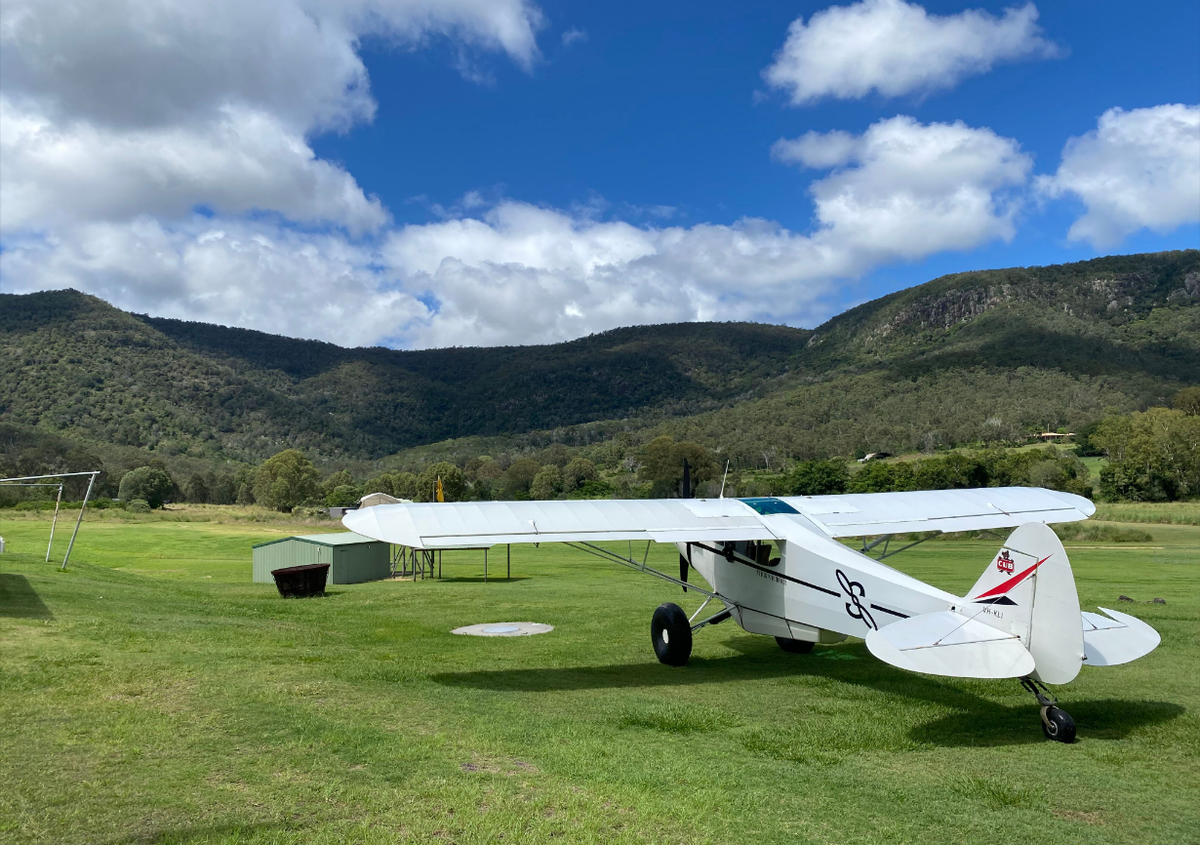
Take your flying skills to the next level with our specialised Tailwheel Flight Training course. Train in the legendary Super Cub and develop precise control, confidence, and real-world handling skills under the guidance of highly experienced instructors.
From your first briefing to your final landing, every lesson is practical, tailored, and designed to sharpen your stick-and-rudder abilities in a supportive, hands-on environment.
A rewarding, skill-focused experience that builds better pilots every time you fly.
ENTER “SAVE10” for a 10% DISCOUNT – VALID THIS MONTH ONLY!